

Chartered Engineer Services
We undertake inspections and certification assignments across major ports, airports, ICDs, and CFS locations in India, as well as overseas load ports, supplier premises, warehouses, and industrial facilities worldwide.
Our Chartered Engineer Certificates are issued for:
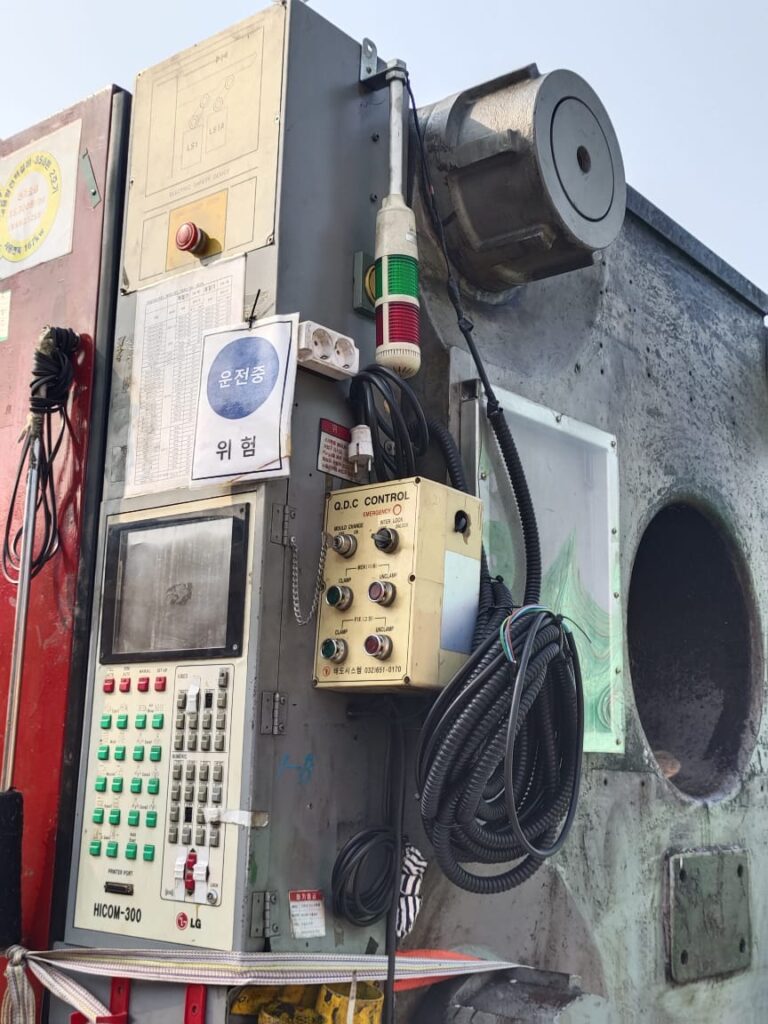
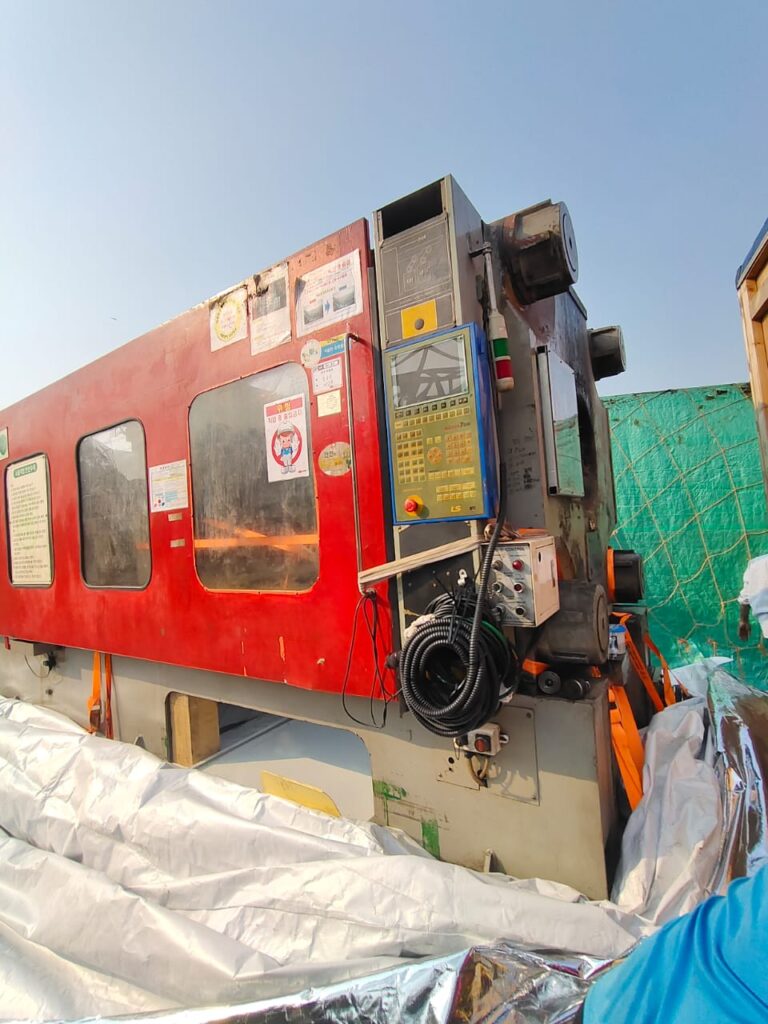
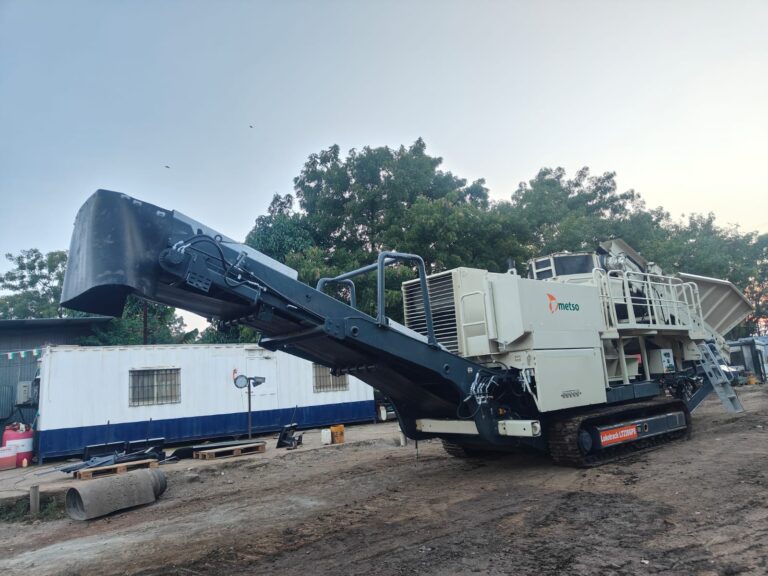
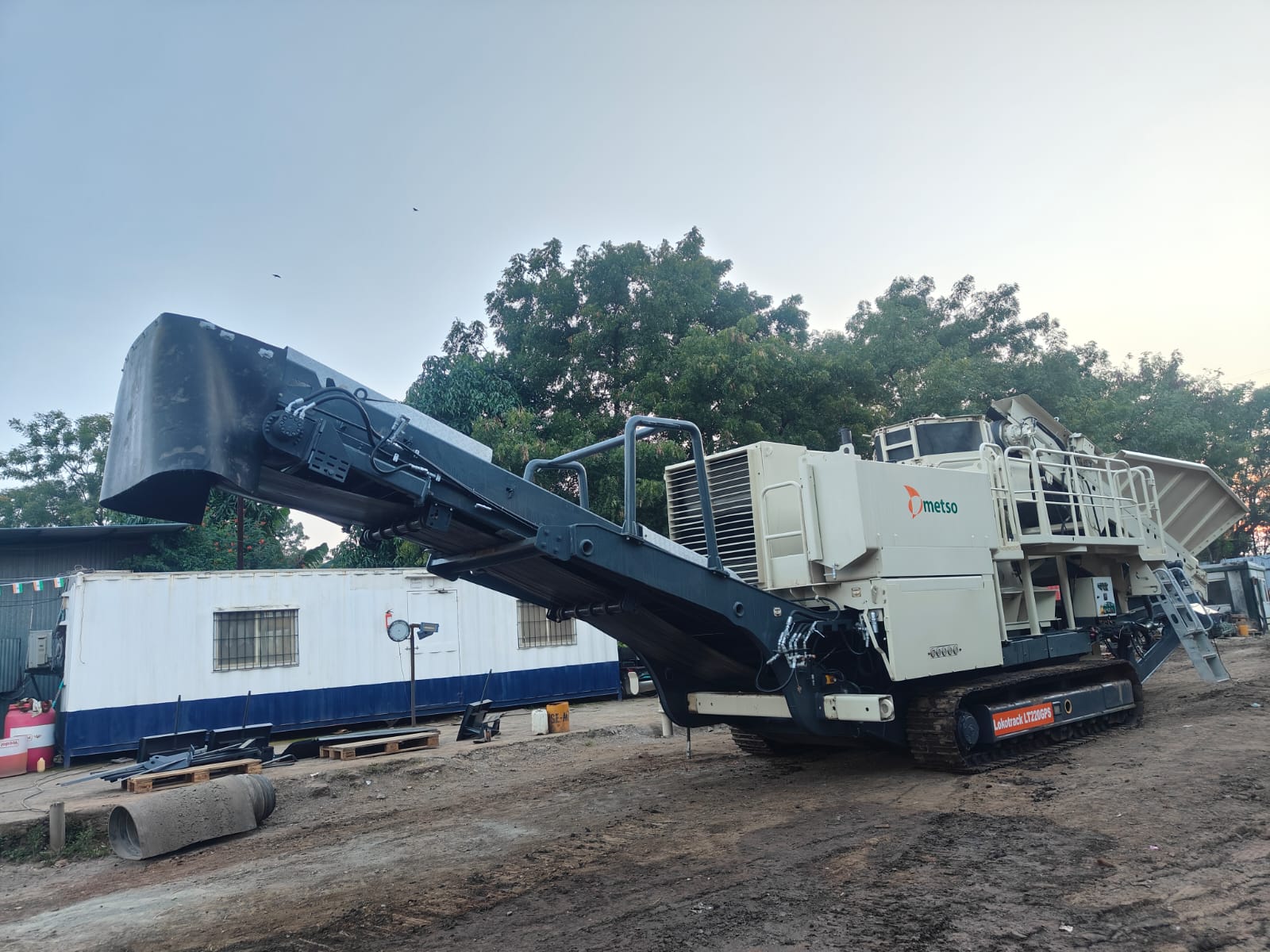
- Import and Export of Second-Hand Machinery & Equipment
- Workshop Machinery and Industrial Equipment
- Medical Equipment and Healthcare Systems
- Textile, Garment & Sewing Machinery
- Printing Machinery and Packaging Equipment
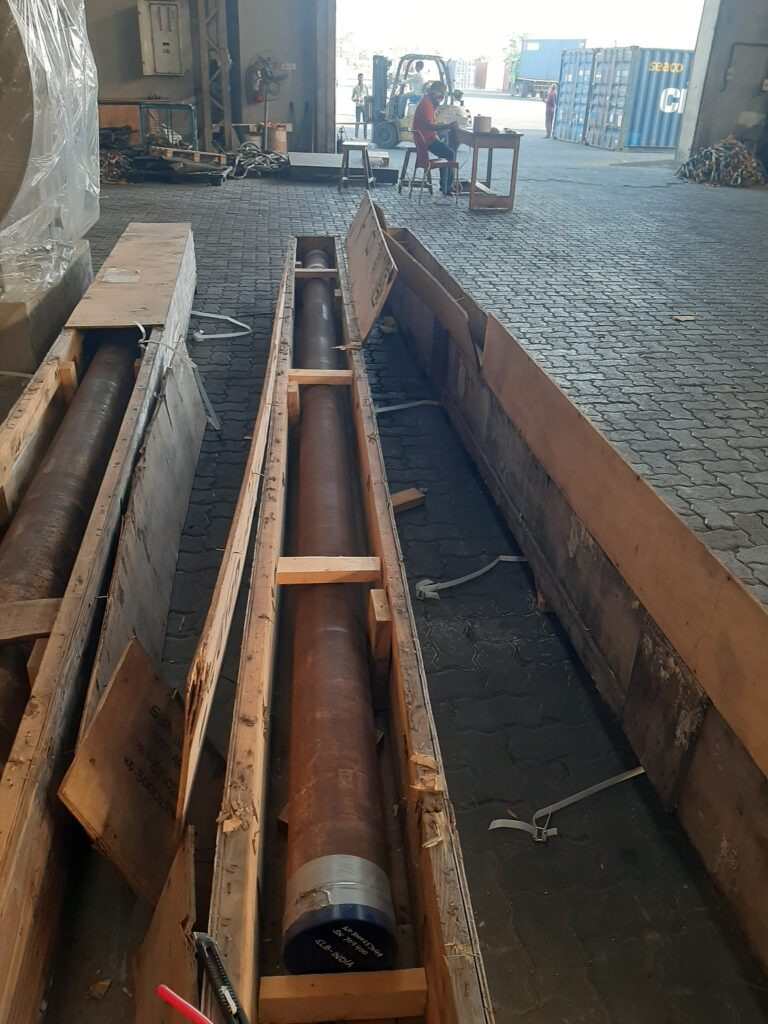
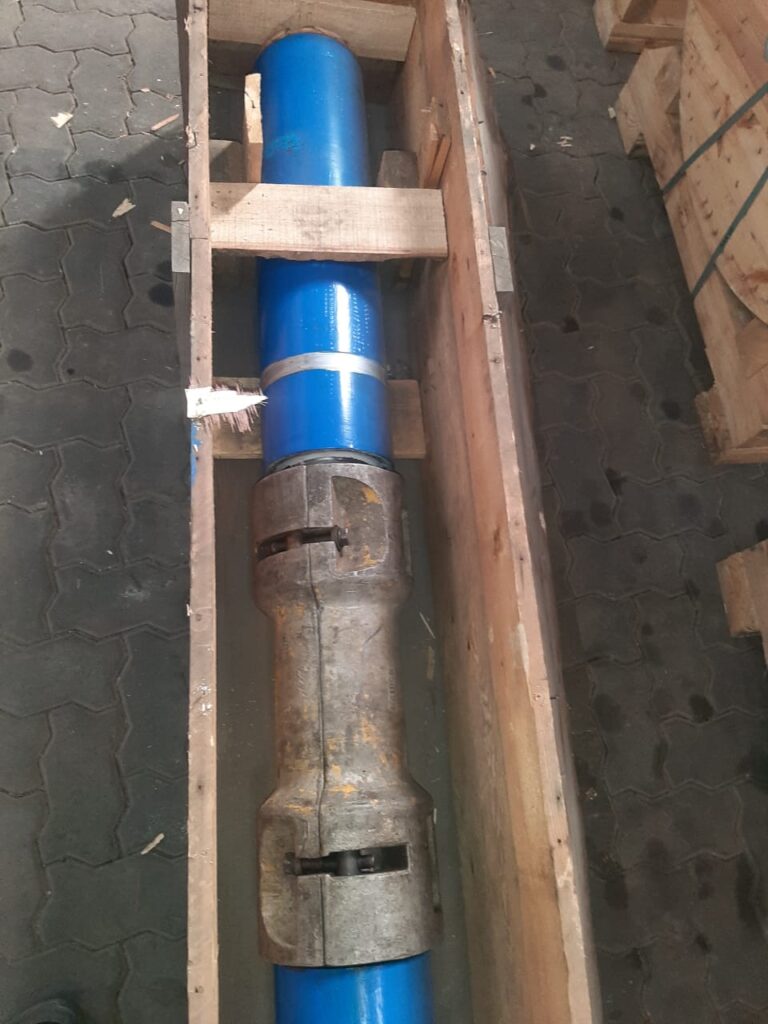
- Oilfield, Oilwell & Energy Sector Equipment
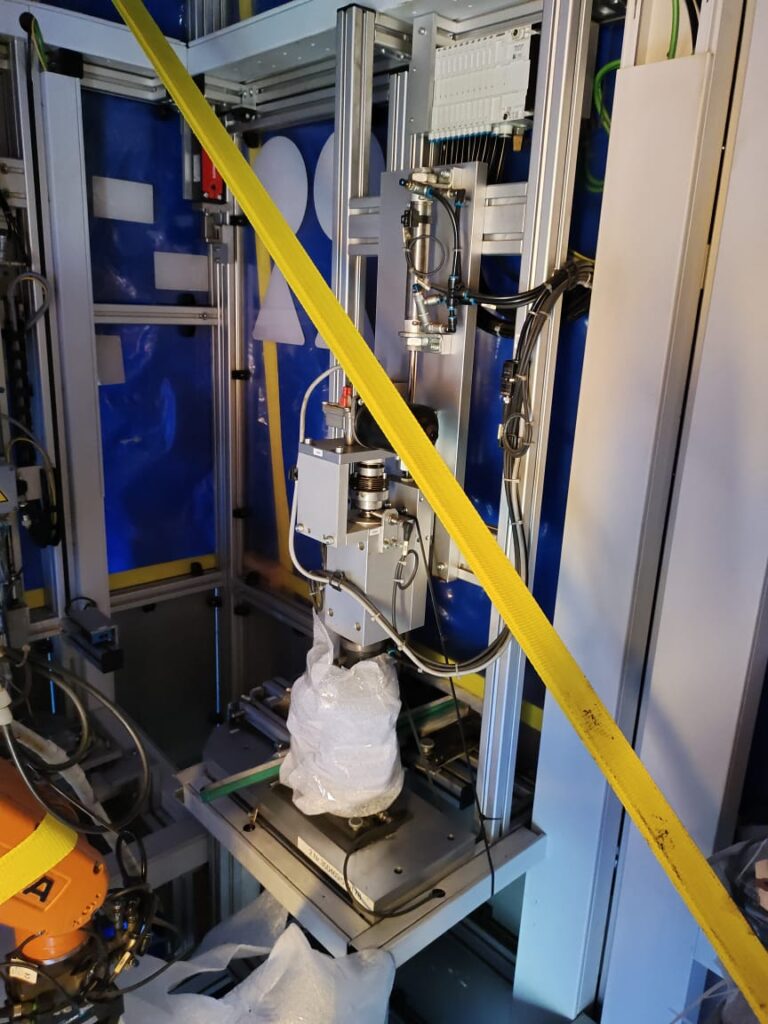
- Plant & Machinery for Industrial Projects
- EPCG Capital Goods and Machinery Certification
- Installation, Erection & Commissioning Certificates
- Residual Life Assessment and Age Verification of Machinery
- Fair Market Value (FMV) Assessment
- SCOMET Certification for Controlled and Restricted Equipment
- Customs, DGFT and Regulatory Compliance Certification
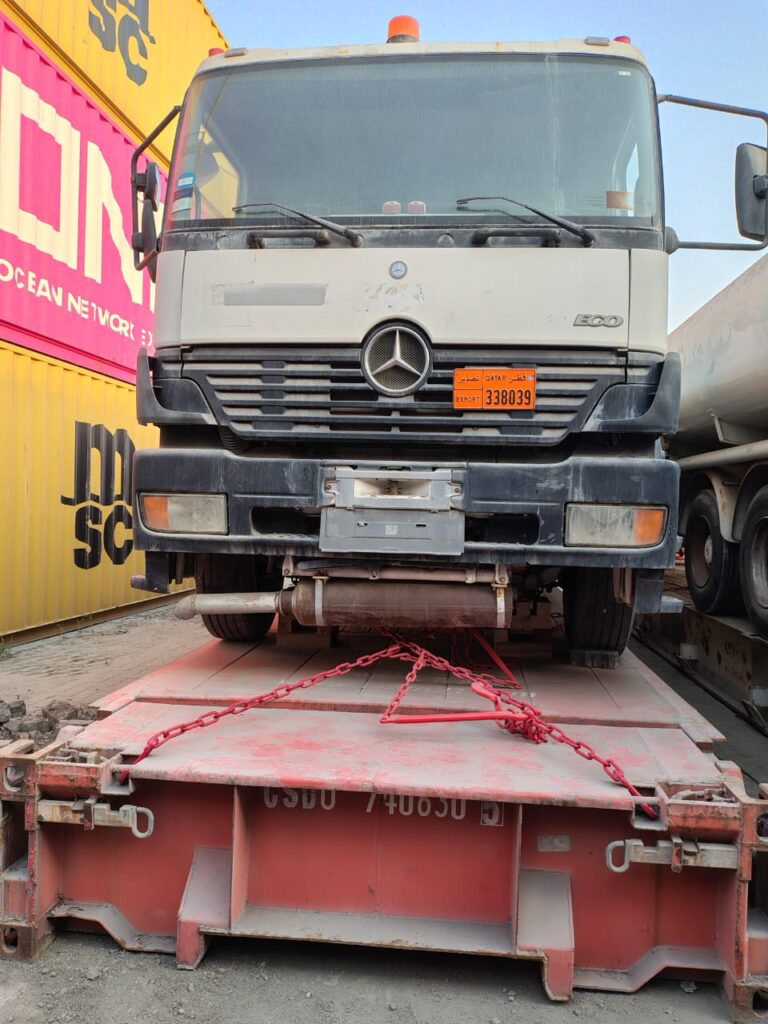
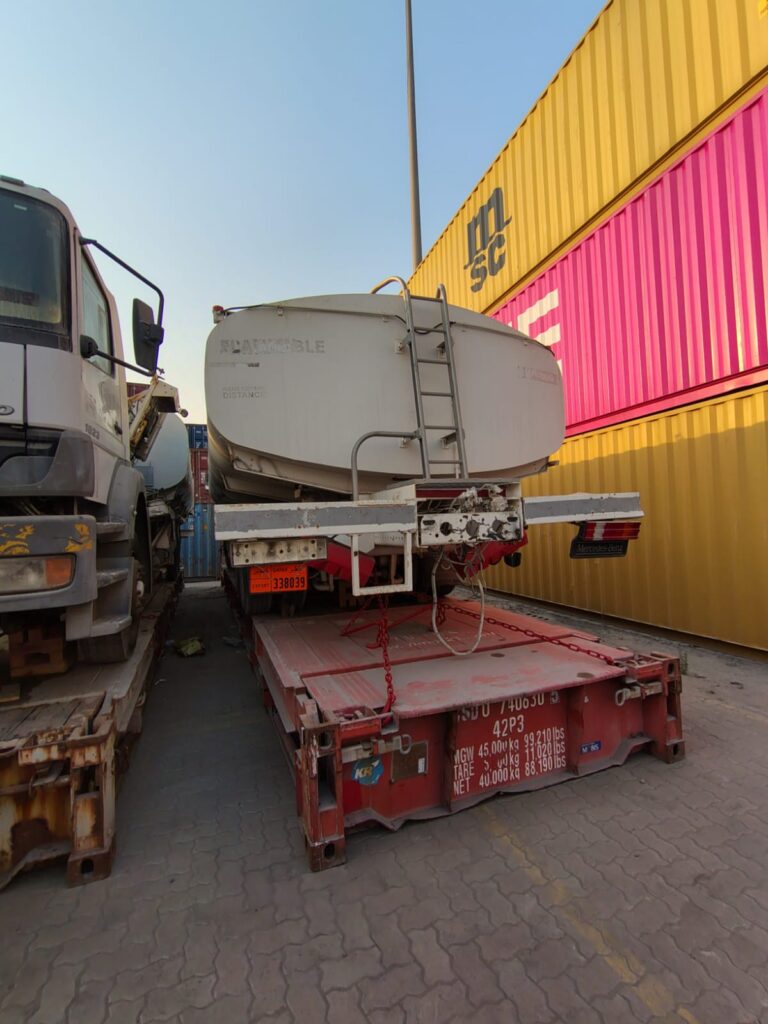
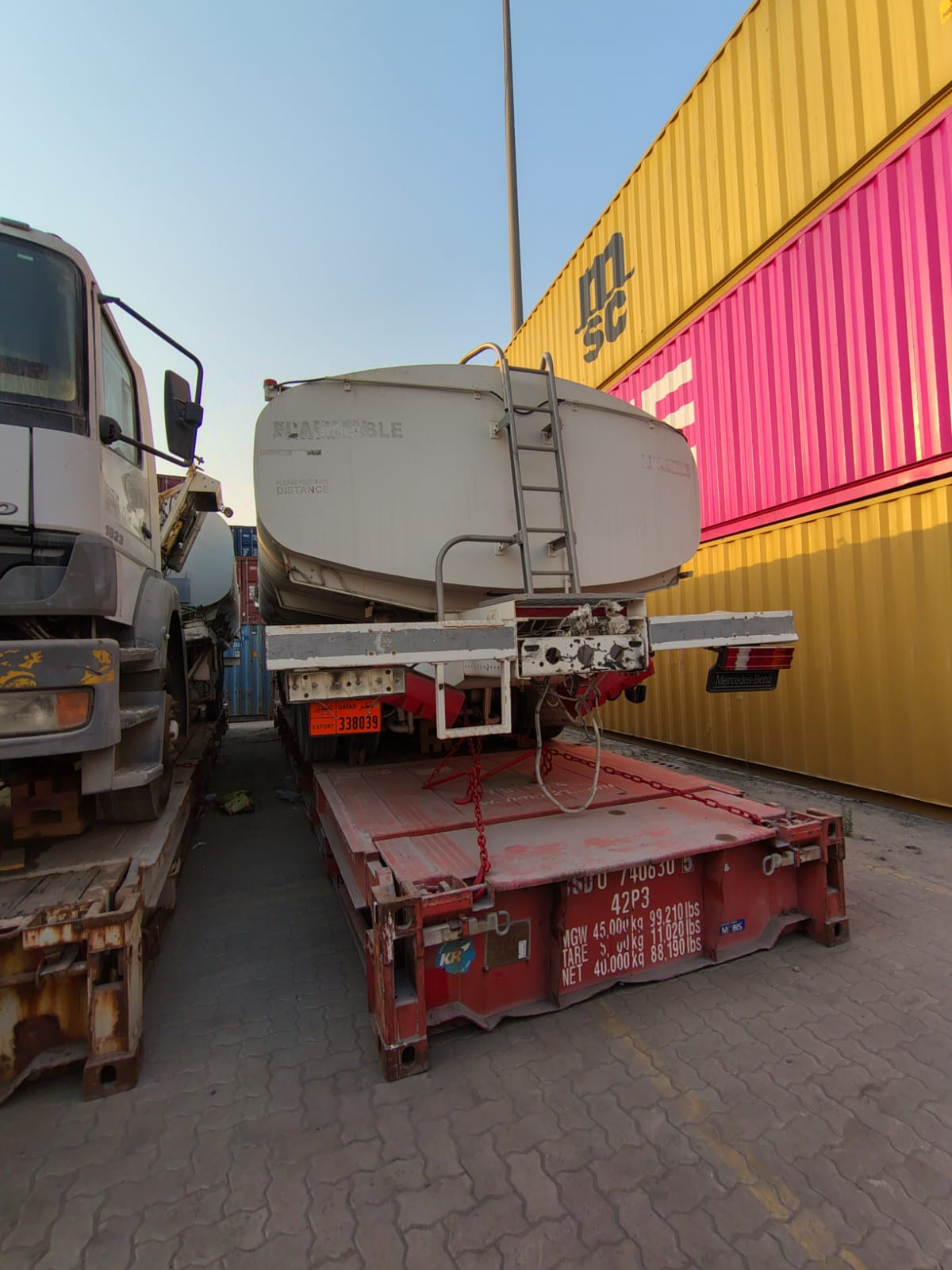
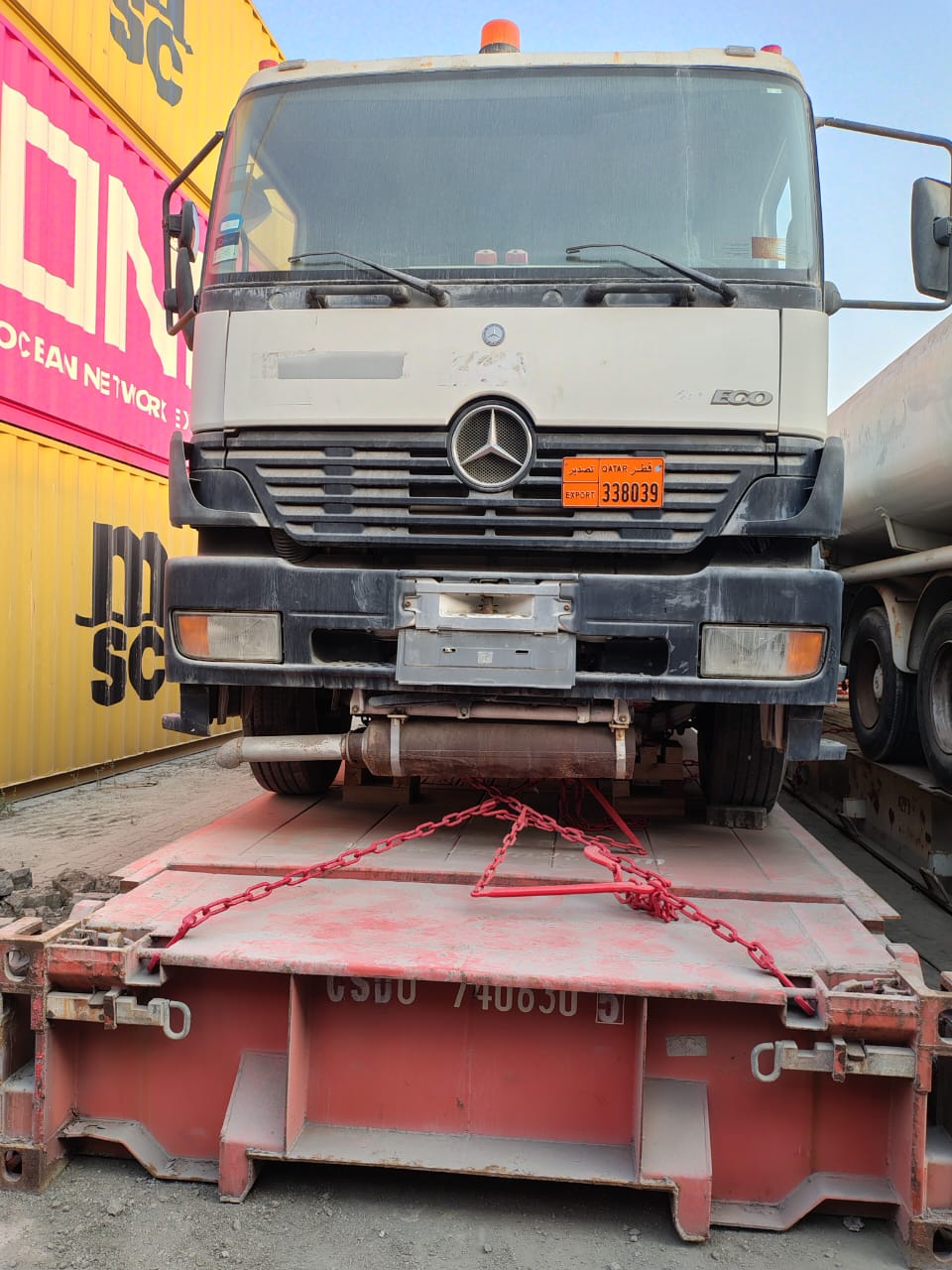
- Domestication of ISO Tanks, Tank Containers, Box Containers and Reefer Containers
- Valuation of Damaged Machinery, Containers, Tanks and Industrial Assets
We conduct Load Port Inspection and Export Verification of new and used machinery, equipment, and industrial plants at overseas supplier locations, warehouses, and ports of loading for DGFT, Customs, MOEF&CC, banking, and other regulatory requirements, ensuring a smooth import process.
Key Services
- Condition Assessment of Machinery & Equipment
- Machinery Valuation & Fair Market Value Assessment
- Verification of Technical Specifications
- Age & Residual Life Evaluation
- MOEF Compliance Inspection
- Chartered Engineer Certification
- DGFT & Customs Documentation Support
- Overseas Warehouse & Supplier Site Inspections
Locations
- Major ports & airports (India)
- ICDs & CFS locations
- Overseas load ports & supplier premises
- Warehouses & industrial facilities worldwide
Independent valuation & technical assessment of:
- Land & Buildings
- Plant & Machinery
- Industrial Equipment & Production Lines
- Containers, ISO Tanks & Specialized Assets
- Infrastructure Assets
- Damaged Machinery & Equipment
- Fair Market Value (FMV) Assessment
- Financial & Banking Valuation
- Asset Verification & Inventory Assessment
Inspection & Certification
- Machinery Evaluation – Inspection and verification of condition, age, performance, and residual life.
- Machinery Valuation – Fair Market Value (FMV) assessment for import, export, banking, insurance, and financial purposes.
- Technical Certification – Chartered Engineer (CE) Certificates for DGFT, Customs, MOEF&CC, EPCG, and project requirements.
- Load Port Inspection & Export Verification – Inspection of machinery and equipment at overseas supplier sites, warehouses, and ports of loading.
- Technical Verification – Verification of specifications, capacity, age, condition, and suitability of equipment.
- Documentation Review – Examination of technical documents, invoices, and compliance records.
Scope of Benefits
- Independent assessment of value, age, condition, residual life, and suitability.
- Enables importers, exporters, financial institutions, insurers, and regulatory authorities to make informed decisions.
- Supports compliance with Customs, DGFT, MOEF&CC, banking, insurance, and statutory requirements.
- Facilitates smooth Customs clearance, reduces risk of disputes and penalties.
- Reliable document for valuation, financing, insurance claims, and audits.
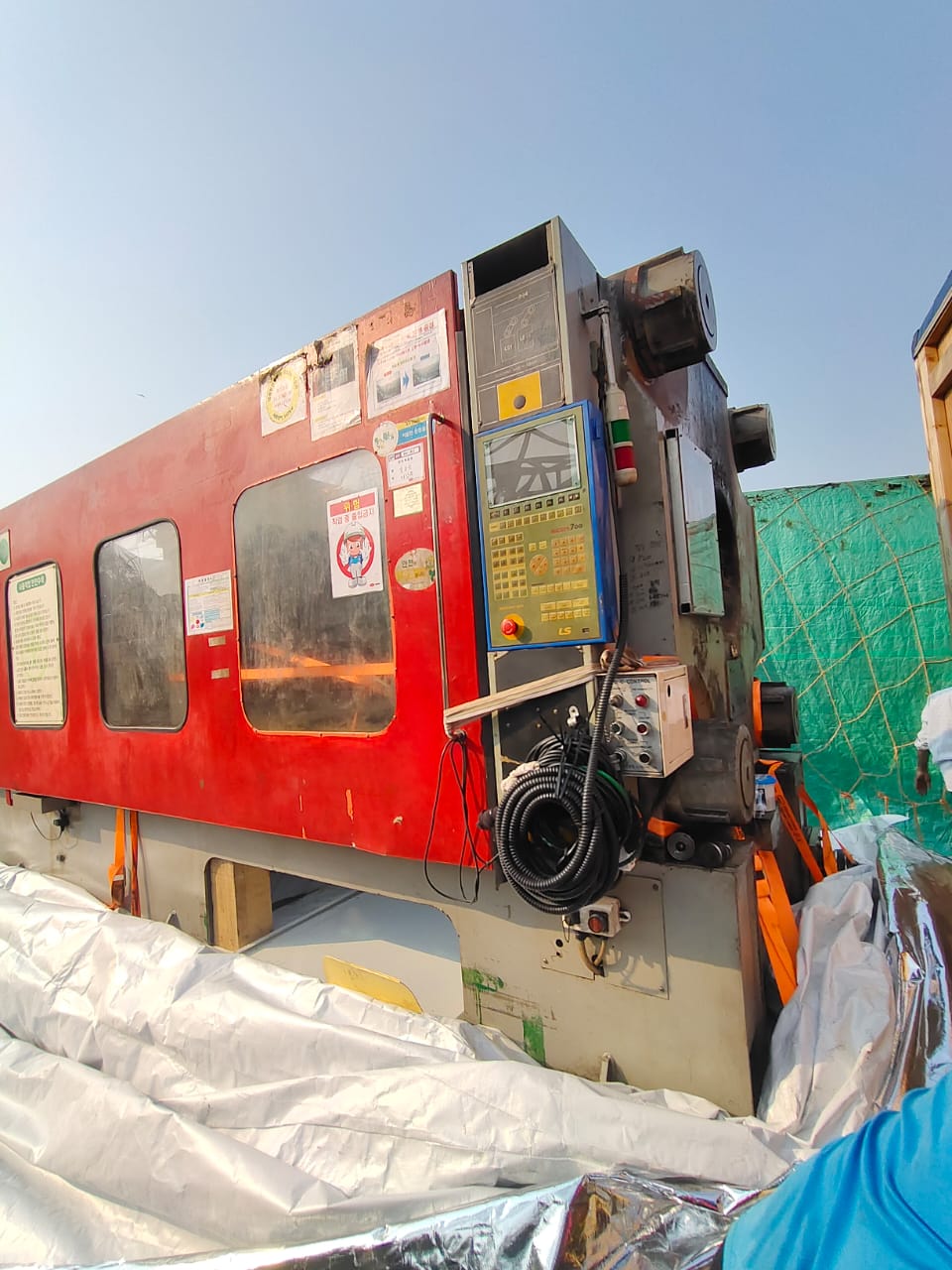
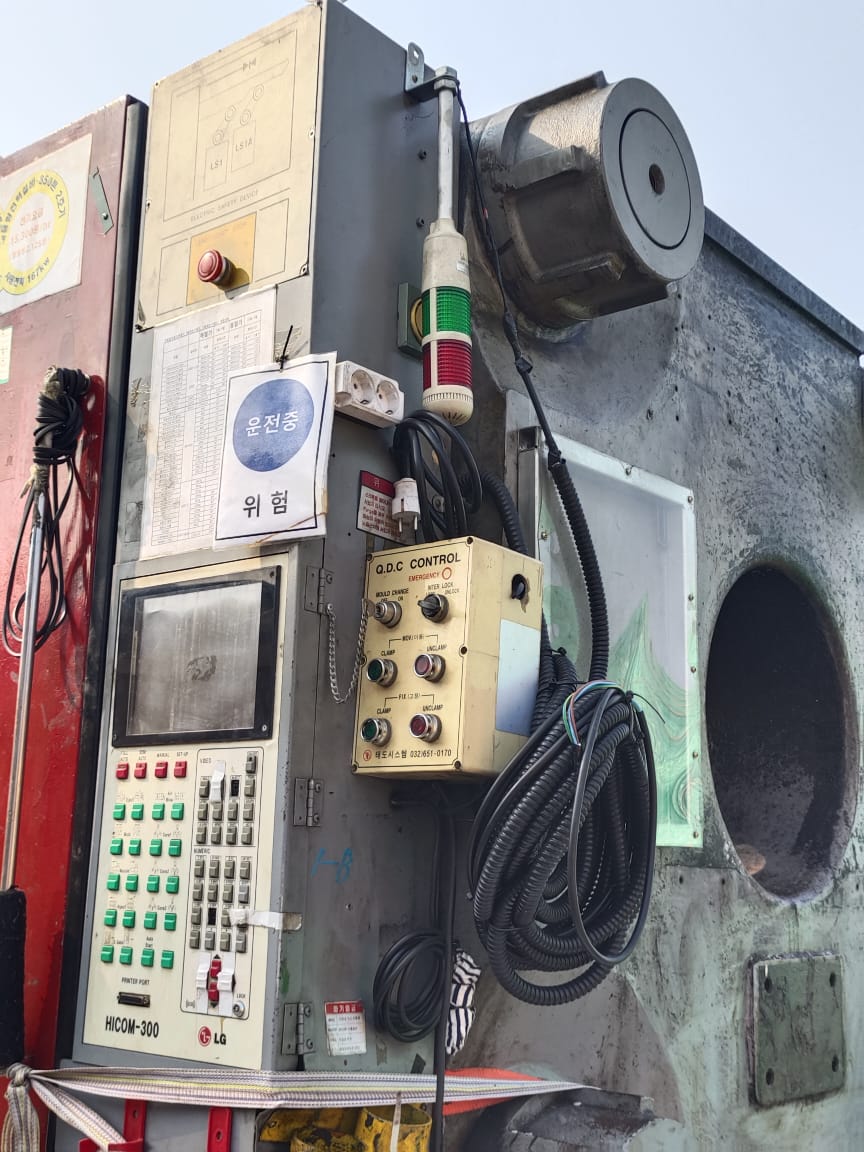
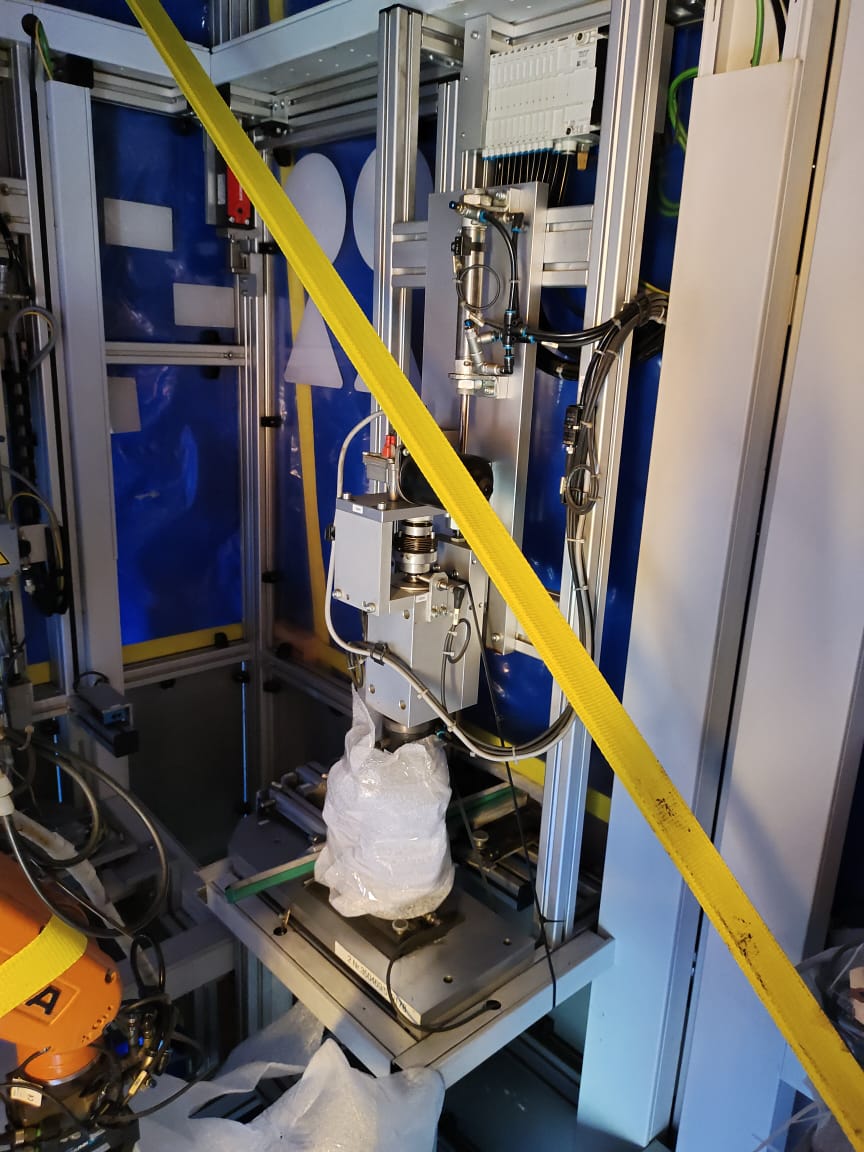
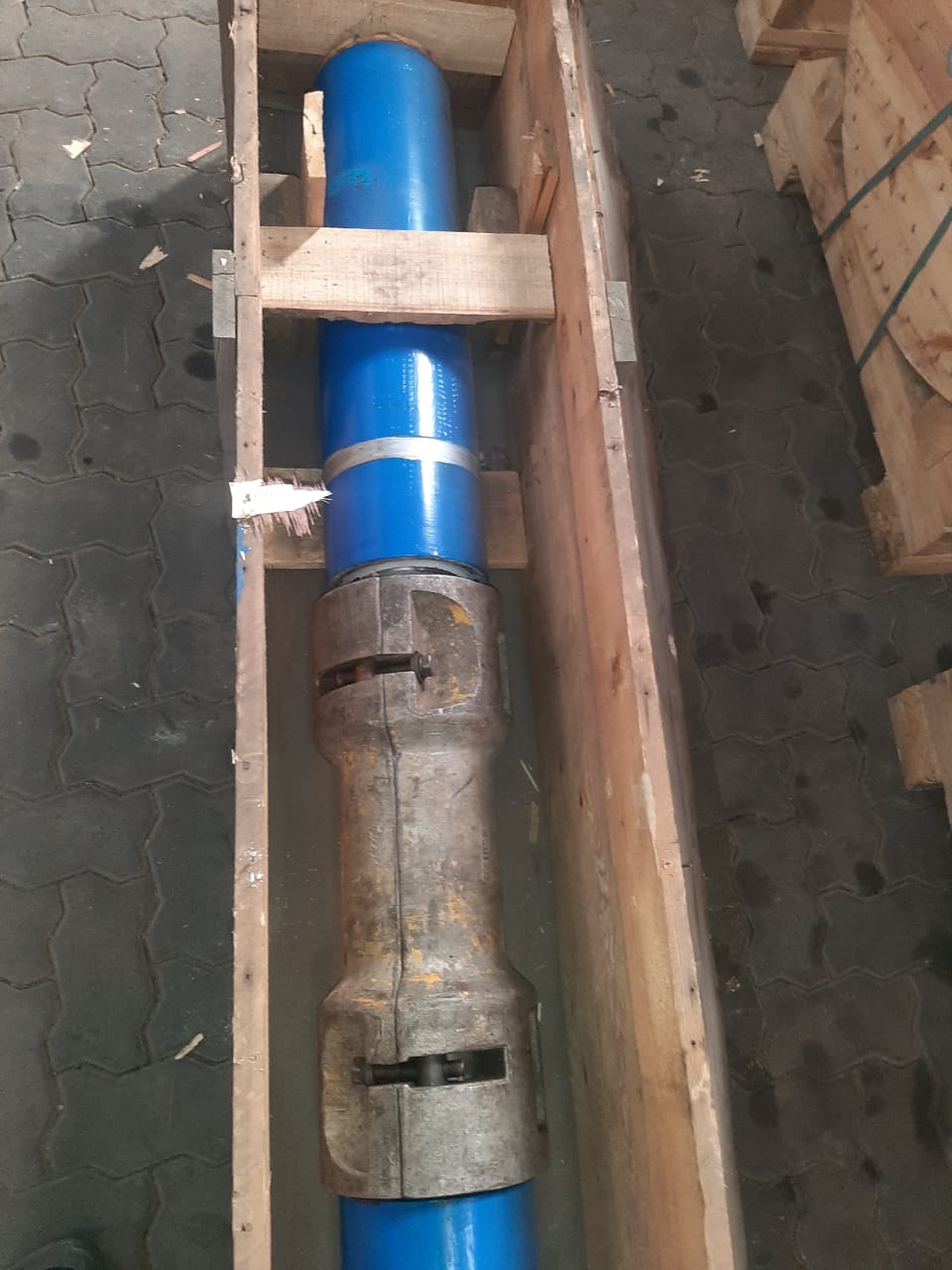
Benefits of Chartered Engineer (CE) Inspection & Certification
A Chartered Engineer (CE) Inspection provides an independent assessment of the value, age, condition, residual life, and suitability of new and used machinery and equipment. It enables importers, exporters, financial institutions, insurers, and regulatory authorities to make informed decisions based on verified technical information.
A CE Certificate supports compliance with Customs, DGFT, MOEF&CC, banking, insurance, and other statutory requirements. It facilitates smooth Customs clearance, reduces the risk of disputes and penalties, and serves as a reliable document for valuation, financing, insurance claims, and audits.
For imported second-hand machinery, the CE Certificate assists Customs authorities in verifying the condition, usability, and value of equipment, distinguishing machinery from scrap, and assessing applicable depreciation, thereby promoting transparency and regulatory compliance across Indian ports.