Scope of Work of Non-Destructive Testing (NDT)
- Home
- /
- Scope of Work of Non-Destructive Testing (NDT)
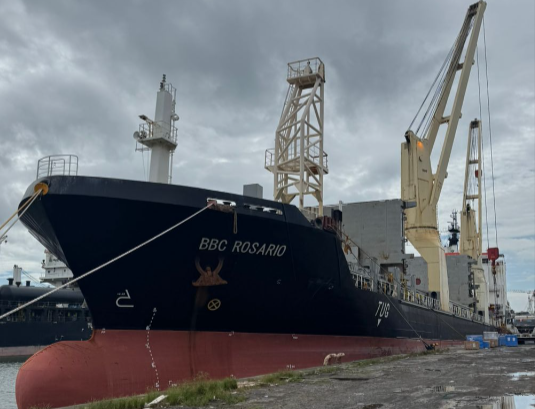
Marine Warranty Survey (MWS) is a professional service conducted by qualified surveyors to verify that marine operations, including the transportation, installation, and commissioning of ships or offshore structures, are carried out safely, efficiently, and in accordance with contractual and regulatory requirements.

Scope of Inspection
- Document Review – Examination of vessel certificates, procedures, and operation plans.
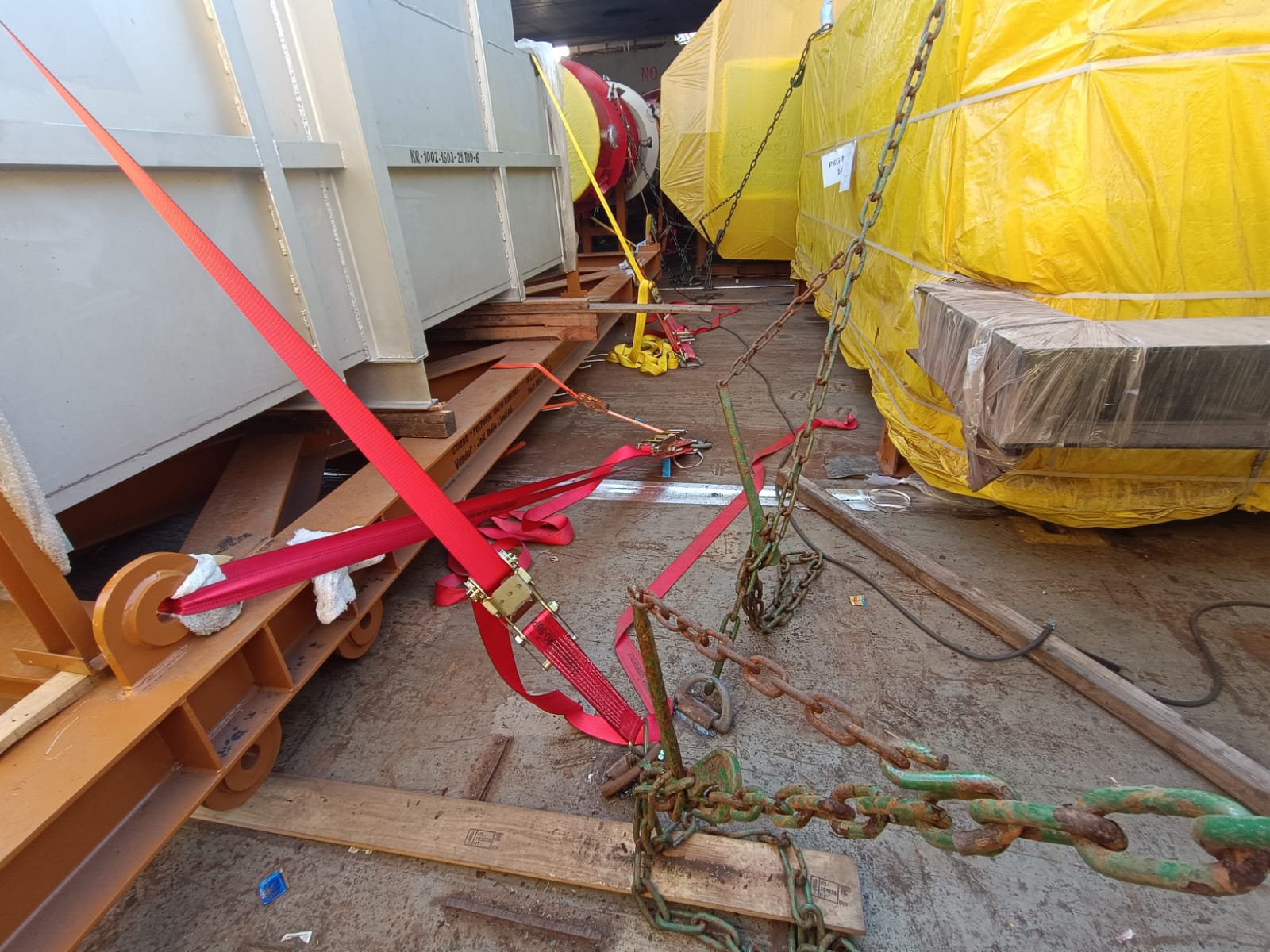
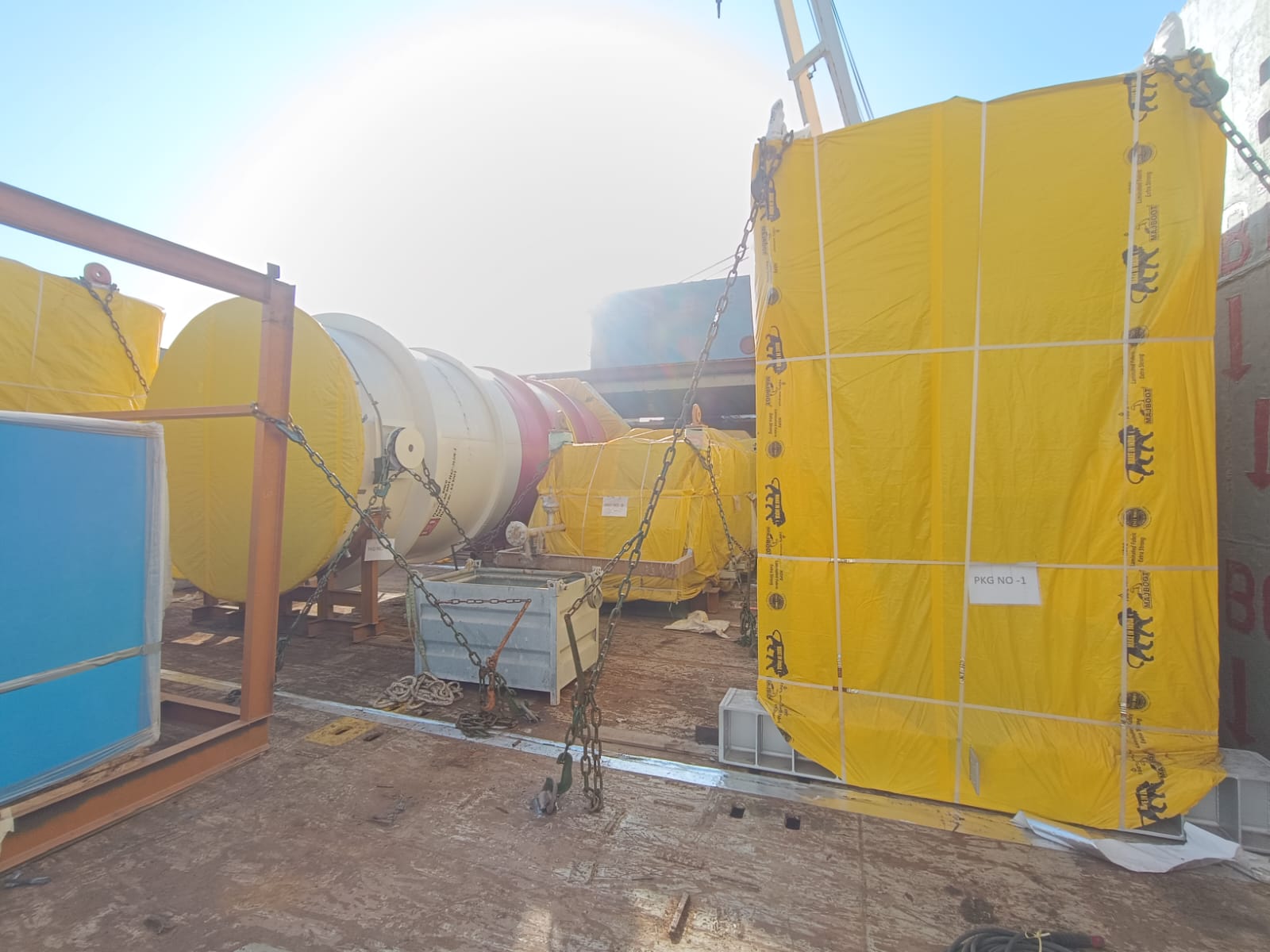
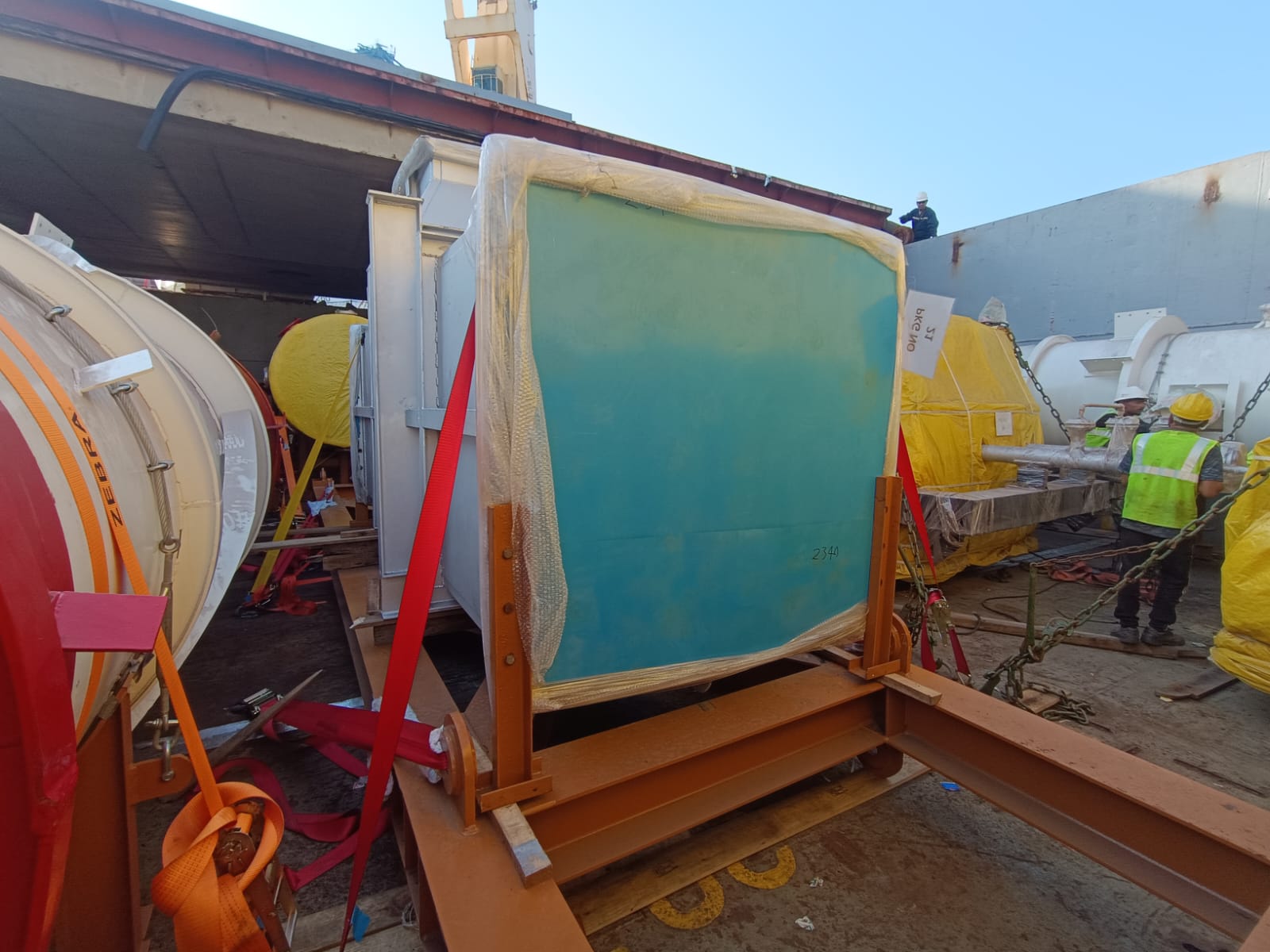
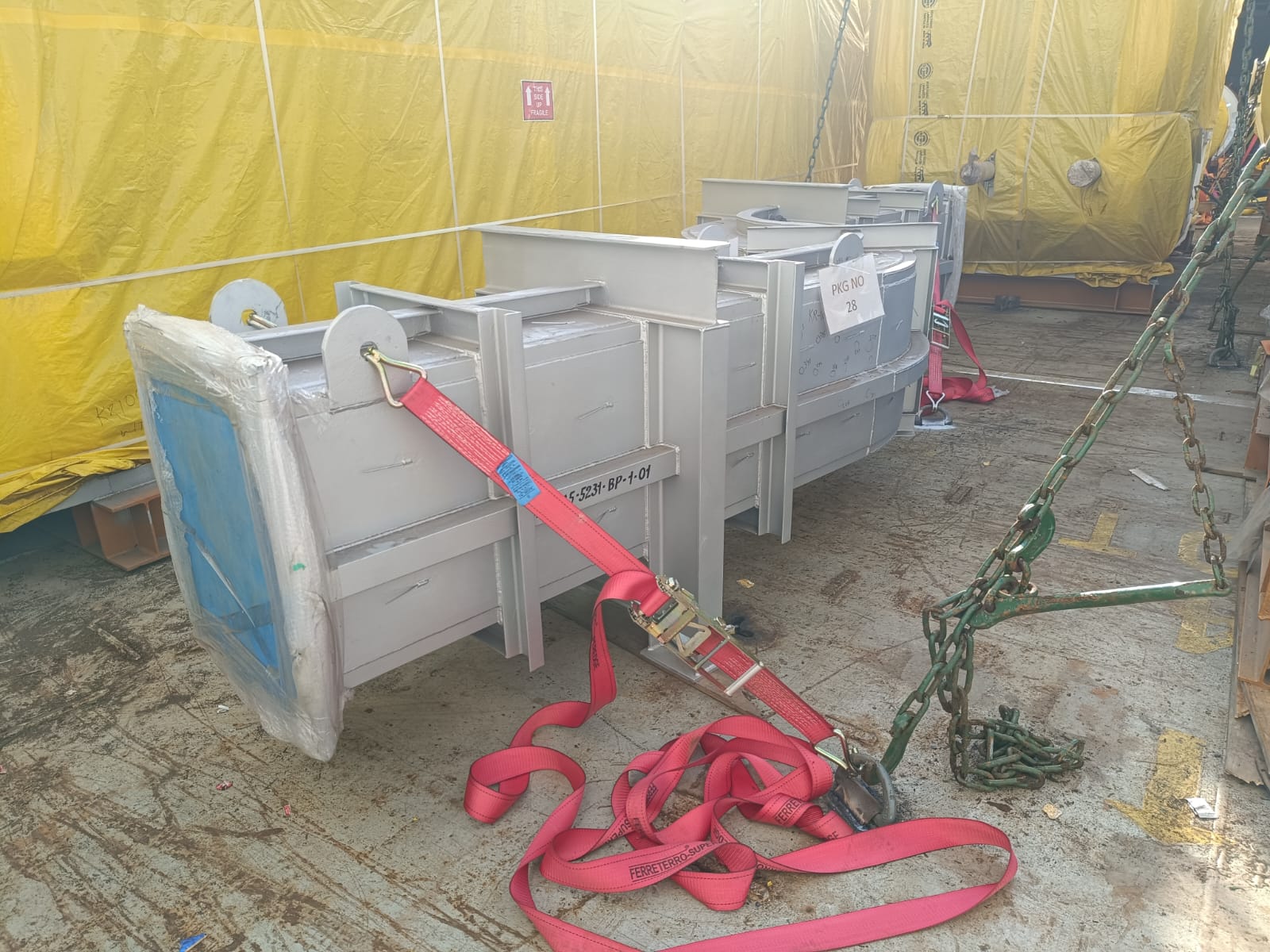
- Equipment Verification – Inspection of lifting gear, securing devices, and marine equipment.
- Operational Supervision – Monitoring of loading, discharge, and transport activities.
- Safety Compliance – Ensuring adherence to approved safety standards and guidelines.
- Reporting & Certification – Issuing verified reports for insurer and client approval.
Scope of Benefits
- Risk Control
Ensures marine operations are carried out safely and efficiently. - Operational Safety
Verifies vessel, cargo, and equipment compliance with standards. - Regulatory Compliance
Meets insurer and international maritime requirements. - Loss Prevention
Minimizes risks of damage during transport or offshore operations. - Client Confidence
Provides assurance through independent and certified supervision.
Gallery